


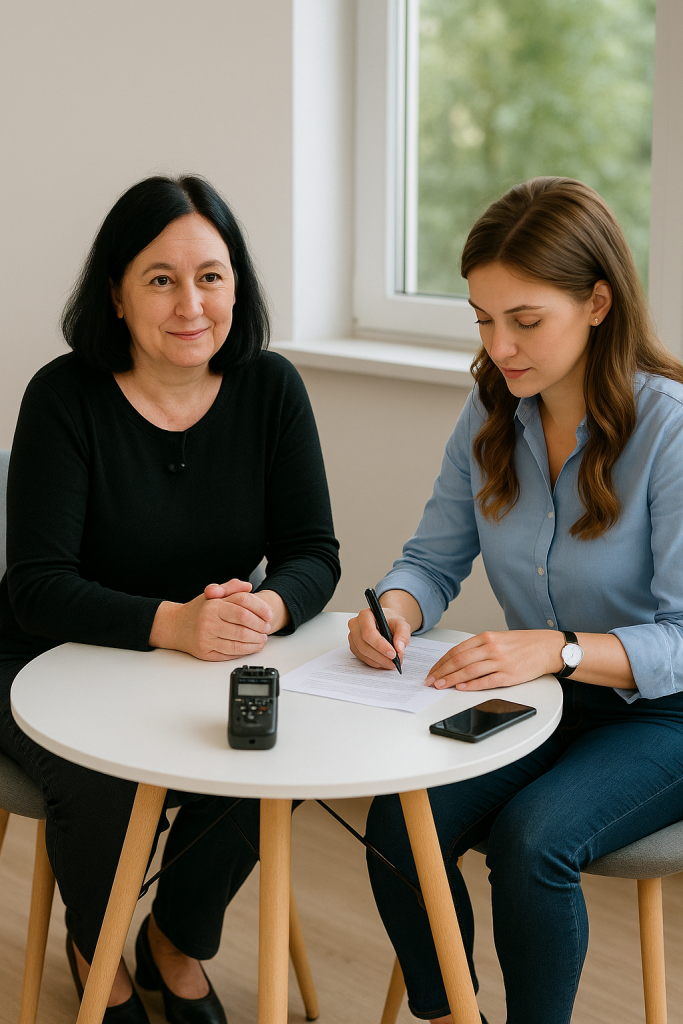
I had the pleasure of speaking with Professor Ilona Máté, a long-time educator and thinker in the field of interior design. Known for her deep emphasis on the psychological and emotional dimensions of space, Ilona brings a calm but powerful voice to the conversation. In this interview, she reflects on the changing landscape of interior architecture, the evolving needs of users, and the subtle role of empathy in design.
What are the key factors you consider when designing residential spaces that truly feel like “home”?
Comfort, emotional resonance, and functional flow. These create a genuine sense of belonging.
How do you approach balancing aesthetics and functionality in commercial interior projects?
I prioritize clarity—users should intuitively navigate the space while appreciating its beauty.
With hybrid work on the rise, how is modern office design evolving to meet new professional needs?
Flexibility is everything now. Workspaces need zones for deep focus, casual interaction, and calm recovery.
How do you see AI transforming the early-stage space planning process in interior design?
AI supports fast ideation, but it must serve human-centered goals. I see it as a collaborator, not a replacement.
What makes a hotel interior not just beautiful but also memorable for guests?
Narrative design. Guests should feel like the space tells a story—one that aligns with their journey.
How has AI-powered rendering changed the way you present ideas to clients?
It has increased visual clarity and speed. Clients grasp conceptual intent faster, allowing for richer feedback early on.
What trends are currently shaping furniture and decor choices in interior design?
Minimalist curves, layered textures, and sustainable materials are defining this era. Clients seek visual calm with tactile depth.
When renovating an old space, what is your process for blending heritage with modern functionality?
I begin by identifying the emotional anchors of the space—what carries memory. Then I reframe around those with functional upgrades.
How do you differentiate the interior design approach between restaurants, cafés, and bars?
Each has its own social rhythm. Cafés embrace flow and daylight, restaurants curate intimacy, bars lean into drama and contrast.
How can AI help designers create more personalized and emotionally resonant spaces for users?
By analyzing behavioral data, AI can suggest layout or lighting preferences, but the designer still translates this into emotion and context.
In your opinion, what role does lighting play in shaping the mood and functionality of a space?
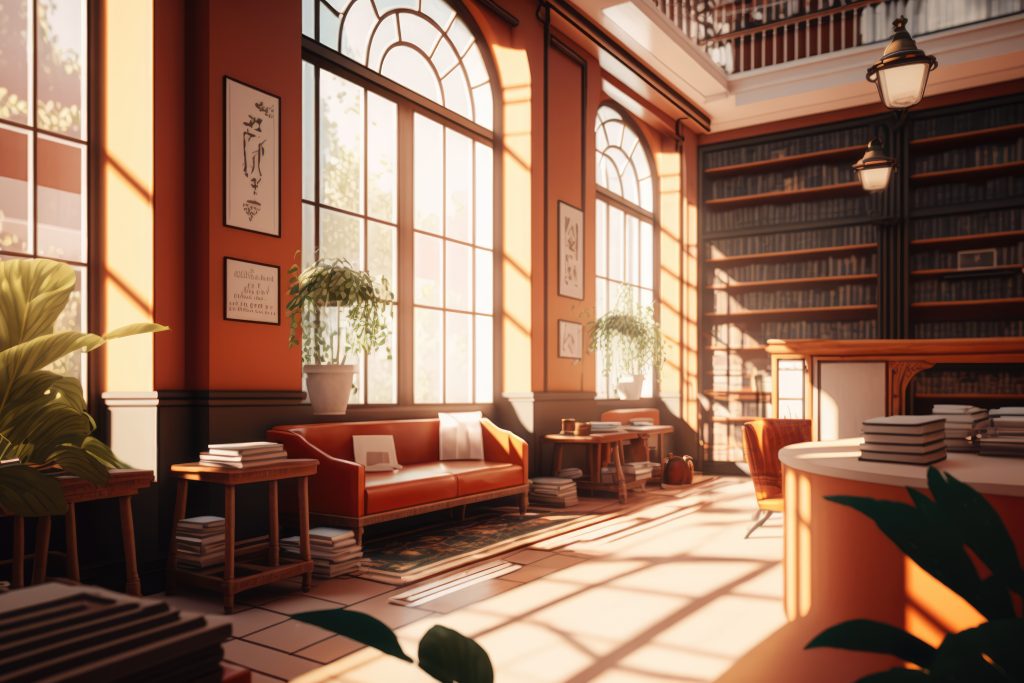
Lighting is mood. It’s the first invisible structure in a room—defining focus, comfort, and psychological presence. I never leave it as an afterthought.
What sustainable practices or materials are you most excited about in today’s design landscape?
I’m drawn to bio-based materials—mycelium composites, recycled textile panels, even algae tiles. Their story is as important as their footprint.
How do you select color palettes and materials to enhance spatial identity?
Every project begins with listening—to the space, the light, the user. I let one honest color lead, then build a sensory palette around it.
Do you use AI tools for generating visual content? If yes, how do they support or challenge your creativity?
Yes, often for early-stage visualization or moodboarding. It’s useful for expansion, but I’m cautious not to let it define my vision too early.
Have you experimented with AI-based 3D modeling tools? How accurate and time-saving have they been?
Some tools are surprisingly accurate with base geometry, but I still rely on human adjustments for ergonomics and flow. It’s a co-author, not a final word.
How have interior design preferences evolved across generations, and how do you adapt to these shifts?
Every generation brings new rituals. Boomers cherished permanence, Millennials value experience, Gen Z desires expression. I design for evolution, not nostalgia.
How do economic trends influence material choices and client expectations in your projects?
Clients are more conscious of cost-value balance. I focus on materials that age well—physically and aesthetically—so they’re investments, not compromises.
What are your design strategies when working with limited or unusually shaped spaces?

I lean into the limitation. Odd spaces become memorable when you highlight rather than hide their uniqueness. It’s about celebrating constraint.
What are some overlooked or rarely discussed challenges that interior designers face today?
Emotional labor. Designers absorb a lot—client insecurities, spatial trauma, budget tensions. It’s invisible work, yet essential to successful outcomes.
Where do you see the future of interior design heading in the next 5–10 years?
Toward emotional intelligence. Designers will need to master not just tools and aesthetics, but empathy—creating interiors that adapt, listen, and support better living.